


Some people grow up learning the price of everything. You learn it in the small ways, like hearing a parent sigh at the checkout, or watching the gas gauge like it’s a countdown clock.
I still remember standing in a store aisle, holding a name-brand item and feeling my shoulders tighten. My brain ran the old math fast, even though I could afford it.
If you grew up with money stress, “safe” can mean more than having enough. Safe can mean looking like you have enough. Safe can mean never getting questioned. Safe can mean walking into a room and feeling like you belong there.
Status symbols often get talked about like they’re shallow. In real life, they can be tied to scarcity memories and a deep wish to breathe easier.
This article is for the curious moment when you notice yourself wanting something flashy. It’s also for the gentle question that comes next, “What am I hoping this purchase will do for me?”
You don’t need to judge yourself to learn from your patterns. You can spot what you reach for, name the feeling under it and choose with more quiet confidence.
1. Logo Sneakers
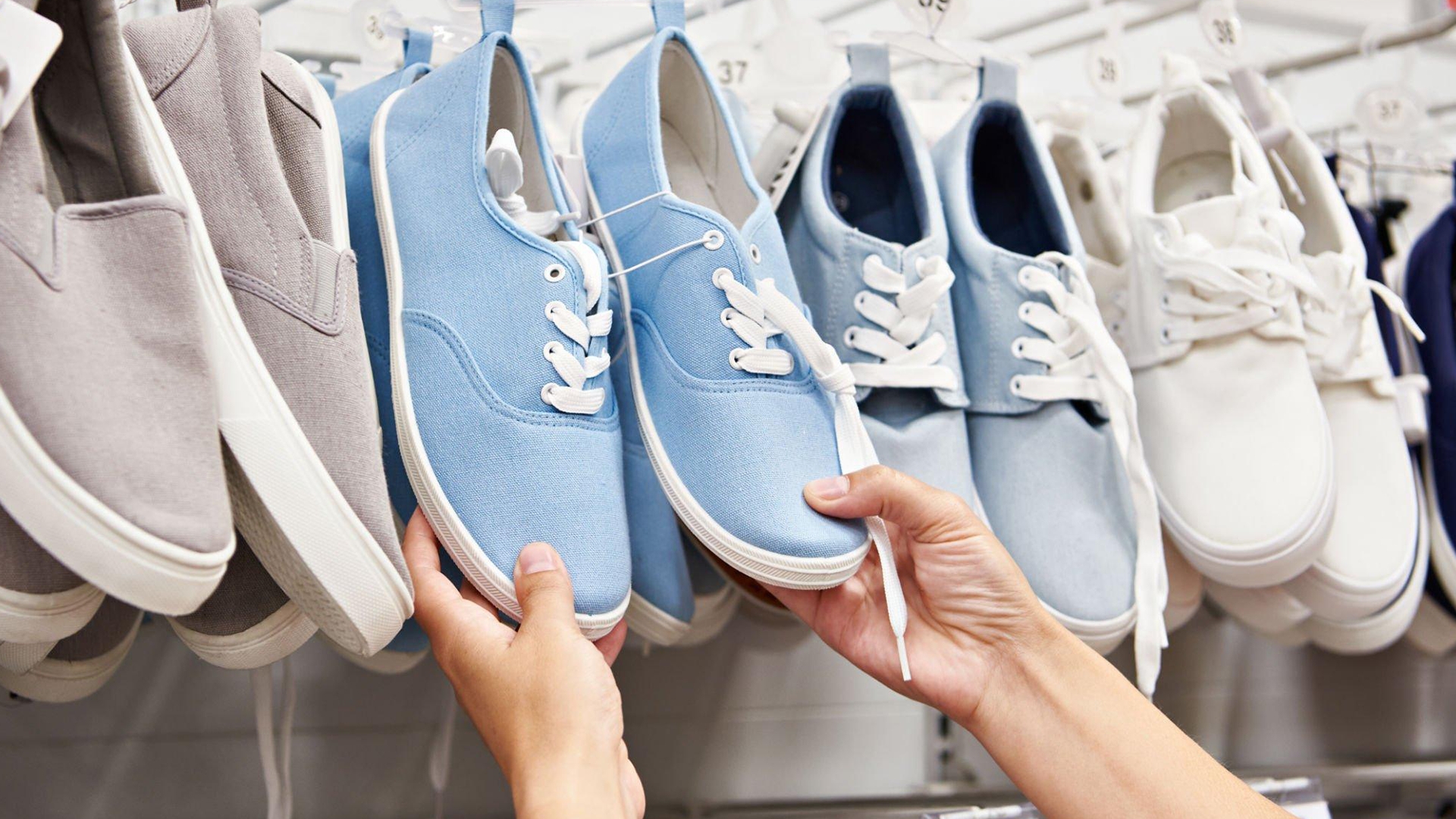
Logo sneakers can feel like a fast passport. They send a clear message in a single glance, even to people you’ve never met. For someone who grew up counting dollars, that clarity can land as relief.
Because shoes travel with you everywhere, they’re an easy “daily proof” item. You can wear them to work, to a party, or to the grocery store. That means the comfort of the purchase keeps showing up.
Sometimes the pull is tied to childhood moments of feeling out of place. Sneakers with a recognizable logo can offer social proof in settings where you worry about being sized up. You may feel more relaxed when the symbol speaks before you do.
Think about the kind of safety you expect from them. Do you want fewer questions from strangers. Do you want to feel respected by peers. Do you want to stop replaying old embarrassment.
A practical clue shows up in how you shop. If you keep looking for the biggest logo, you might be chasing visible wins. If you care more about comfort and durability, you might be building a stable daily routine.
Try a quick check-in before you buy. Ask, “Where will I wear these and how do I want to feel in my body when I do?” That question keeps the decision connected to your life, not just the display window.
2. Designer Bag
A designer bag does more than carry your stuff. It can carry a story of arrival, especially if you grew up watching adults make do with one worn-out tote for years. A structured bag can feel like adulthood in your hands.
Picture the moment you walk into an office or a nice restaurant. If you feel watched, a designer bag can act like a safety signal. It can help you settle into your posture and speak up.
For many people, this is an identity purchase. You’re choosing an object that matches the person you’re becoming. That can feel powerful when your early years taught you to stay small.
There’s also a private side to it. You may love the craftsmanship, the texture and the way it stays organized. That kind of order can soothe a nervous system that learned to expect chaos.
If you’re deciding between bags, you can aim for the one that supports your real days. Look at the strap comfort, the size and how it works with your commute. Your style gets to serve your future self too.
3. New Car Lease
A new car lease can feel like a clean slate. The smell, the shine and the quiet ride can deliver a sense of “I made it” in a very physical way. When you grew up with an unreliable car, that feeling can hit deep.
On a practical level, reliable transportation can reduce stress. You may remember missed shifts, late school drop-offs, or that anxious moment when a dashboard light came on. A newer car can feel like protection from those old problems.
Still, the status part matters for many people. A new car can reduce status anxiety in social settings where cars get noticed. It can also shape how you feel when you pick someone up, or pull into a parking lot at work.
One pattern to watch is urgency. If you feel rushed to upgrade as soon as you get a raise, your money story may be nudging you toward instant relief. That makes sense, especially if waiting used to mean going without.
You can bring the decision back to your values with simple questions. How stable is your income right now. How often do you drive. What monthly payment lets you sleep at night.
When the choice fits your real life, you get two wins. You get a car that supports your schedule and you get a feeling of stability that lasts beyond the first week.
4. Flashy Watch
A watch is small, but it speaks loudly. People notice it during handshakes, coffee runs and quick gestures in conversation. That makes it a popular symbol for people who want instant credibility.
For someone with a low-income childhood, a flashy watch can represent control over time. You may have grown up around shift work, long hours, or unpredictable schedules. A watch can feel like a personal flag that says you’re in charge now.
There’s also a “reward” element. When you work hard for years, buying a watch can mark a milestone. It’s a way to honor effort without needing anyone else to clap.
At the same time, watches can pull you into comparison. If you keep scanning wrists at gatherings, you might be looking for belonging cues. That is a human need, especially when you’ve felt like the outsider before.
If you love watches, you can choose one with meaning. Consider a style you’ll still like in five years. Consider comfort, durability and a design that feels like your everyday self.
5. Premium Pantry Brands
Status symbols can show up in your kitchen too. Premium olive oil, single-origin coffee, fancy sparkling water and “clean” snack brands can feel like a quiet upgrade. They can also feel like a promise that your home runs differently now.
For many people, food was the stress point in childhood. You may remember empty cupboards, stretch meals, or the feeling of hoping the groceries would last. Premium pantry items can bring a sense of abundance into daily life.
There’s research connecting early-life socioeconomic conditions with adult patterns around scarcity and unpredictability. One example is a research paper indexed by the U.S. National Library of Medicine. Findings like these help explain why “enough” can feel fragile, even when your bank account looks better now.
Try noticing what you’re really buying. Sometimes you’re buying taste and convenience. Sometimes you’re buying a moment of calm at 7 a.m. Sometimes you’re buying the feeling of being a person who hosts friends easily.
A helpful middle ground is to pick your “stars.” Choose a few items that truly make your week better. Then keep other basics simple and good-enough. That can protect your budget and keep your pantry feeling special.
If you share a home with others, premium brands can also carry emotional weight. Talking about the why can soften tension. “This coffee makes mornings easier for me,” can land better than silence and side-eyes at the receipt.
6. Exclusive Memberships
Exclusive memberships can look like a gym, a club, a co-working space, or a subscription community with a waiting list. The cost often buys access, but it also buys a sense of being “inside.” That feeling can be soothing when you grew up on the outside of many things.
In these spaces, small details matter. Clean towels, friendly staff, reserved seating and quiet rooms can feel like luxury. They can also feel like safety, especially if your early environment felt crowded or unpredictable.
You might also enjoy the structure. A membership can create a weekly rhythm. That steady routine can support your energy and your social life without requiring constant planning.
Watch how it fits your real schedule. If you rarely go, the membership becomes a symbol you pay for. If you go often, it becomes a tool that supports values-based spending.
One simple practice helps here. Each month, ask yourself what the membership gave you. Did it give you calm. Did it give you friendships. Did it give you movement, learning, or focus. When the benefits feel real, the money tends to feel lighter too.