


I once watched a friend cancel a dinner reservation because their senior cat had been “off” all afternoon. No drama. No guilt trip. Just a quiet decision that felt obvious to them.
If you treat your pet like family, that moment probably makes sense. You do not see a pet as an accessory in your life. You see a relationship that asks for attention, patience and steady care.
Psychologists have spent decades studying why these bonds feel so deep. Many people form real attachment with animals and that connection can shape daily habits and emotional skills.
Some of the traits that come with “family-level” pet love are getting rarer. Life is louder now. Attention is split. Many homes run on tight schedules and tighter energy.
Still, when you live with an animal and you truly show up, you practice something powerful. You learn to notice. You learn to respond. You learn to keep loving on ordinary days.
Here are 10 traits that often show up when you treat pets like family, plus a few ways they quietly help your human relationships, too.
1. You Use “We” Language at Home

You say things like, “We have to head out,” or “We already ate.” It sounds small, yet it signals belonging. Your pet lives in your mental “us,” right alongside your routines and plans.
In psychology, this fits with the idea of social belonging. Your brain tracks who counts as part of your inner circle. For many pet people, that circle includes paws, whiskers and a spot on the couch.
Try listening to your own self-talk for a day. When you’re stressed, do you check in with your pet out loud? A quick “You okay?” in the kitchen counts. So does “We’ve got this,” before a tough Zoom call.
There’s a practical side, too. “We language” often nudges you toward shared routines. You leave the party on time because someone at home needs a potty break. You keep a more regular bedtime because an eager face starts the morning early.
It can also soften loneliness. You might live alone, yet your home can feel full because you relate to your pet as a real companion. That sense of companionship is one reason researchers study pet attachment and wellbeing, including in a recent systematic review.
If you want to lean into this trait, use it for warmth rather than control. “We’re going to the vet” lands better than “You’re going to the vet,” even if your pet only hears tone. Your own nervous system hears your words, too.
2. You Track Needs Like You Would for a Loved One
You remember the little details. Which food gets ignored. Which toy is the current favorite. Which spot by the window turns into a sunbeam at 3 p.m.
This is everyday caregiving and it takes attention. You might keep a note on your phone about nail trims, meds, grooming, or when the litter was fully changed. That kind of tracking is a form of responsible caregiving.
It also reflects a mindset: needs deserve planning. You probably do the same for people you love. You pack snacks for a long drive. You bring a jacket “just in case.” You check the weather twice.
If you share your home with others, you may naturally become the “care calendar” person. You know when the next bag of kibble runs out. You notice the water filter date. You spot the first sign that a flea prevention reminder slipped by.
When life gets hectic, pick the smallest tracking habit that helps most. Many people choose one anchor, like a feeding routine, a refill day, or a weekly check of supplies. It keeps your care steady without turning your home into a spreadsheet.
3. You Notice Tiny Mood Shifts Fast
Some people can tell something is “off” within seconds. Your dog’s greeting is quieter. Your cat hides in a new spot. Your rabbit pauses before taking a treat.
This skill is often built through repetition. You have seen your pet on energetic days, sleepy days, curious days and anxious days. Over time, your brain gets good at pattern recognition.
It also strengthens emotional attunement. You learn to read body signals without a speech. Ears, tail, posture, pacing and eye contact start to feel like a language you understand.
Use this gently with people, too. You might notice when a friend’s laughter sounds thinner than usual. You might catch that a coworker’s messages have fewer exclamation points. Those cues can guide you toward kindness.
A simple way to practice is to pause before you respond. Look first. Listen second. Then act. With pets, that might mean offering space, a calm voice, or a quiet check-in.
When you live this way, you become the kind of person who sees more than the headline of a moment. You see the mood underneath it and that can make you a safer person to be around.
4. You Build Your Day Around Reliable Routines
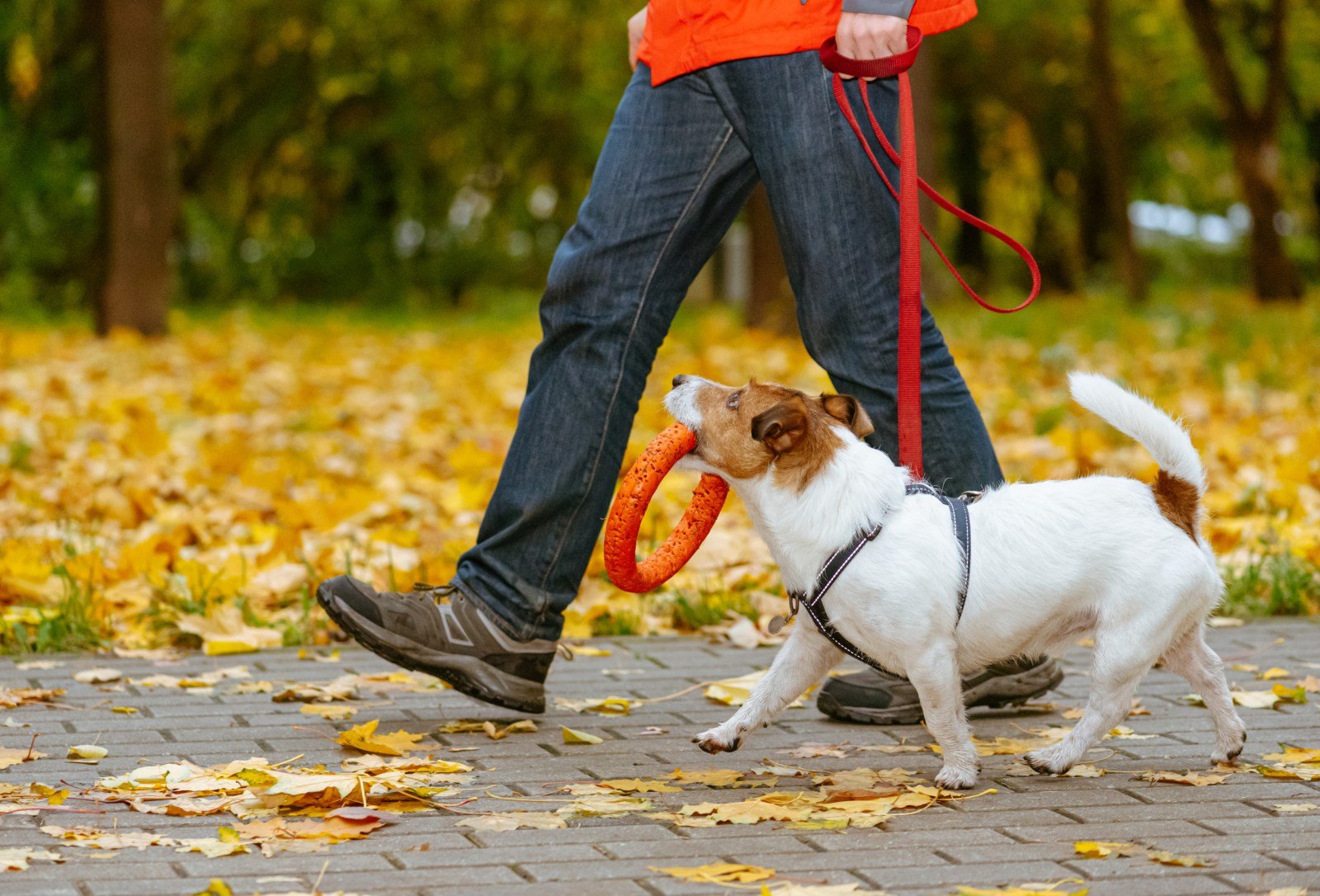
Pets have needs that show up every day and they show up on time. A hungry meow at dawn can train you faster than any productivity app.
When you build your schedule around walks, feedings, play and bedtime, you create steady daily structure. Many people find that routines lower decision fatigue. You spend less time debating what happens next.
You also get frequent “reset moments.” A walk breaks up screen time. Refilling a bowl pulls you out of overthinking. A play session interrupts a spiral and gives your body a reason to move.
On a good week, this routine feels cozy. On a hard week, it can feel like the one thread holding the day together. That is part of why pet people sometimes say their animal “kept them going” during rough seasons.
If you struggle with routines, borrow your pet’s rhythm. Choose one repeatable time block, like after coffee, after work, or right before bed. Then attach one pet-care action to it. Consistency grows from anchors.
And yes, routines can still be flexible. You can vary the route, rotate toys, or change the game. The reliable part is your follow-through.
5. You Stay Gentle During Messy Moments
Accidents happen. Fur happens. Mud happens. A chewed shoe happens and it always seems to be the “good” shoe.
People who treat pets like family often show patient self-control in these moments. You clean up, reset and move on. You focus on what your pet needed, such as a bathroom break, a calmer environment, or more supervision.
This is emotional maturity in a very normal setting. You practice responding instead of exploding. You get real-time reps with frustration and you learn how quickly your tone changes the whole room.
I once stepped into a puddle right after a long day. I took a breath, grabbed towels and my shoulders dropped as soon as I started cleaning. The calm choice felt better than any lecture I could have given.
If this trait is hard for you, start with your body. Unclench your jaw. Drop your shoulders. Speak slower. Many pets track your nervous system like a weather report.
Gentleness also protects the bond. When your pet trusts you during a mess, they trust you during stress. That trust becomes the emotional “glue” of your home.
6. You Treat Care as a Form of Respect
Family-level pet people tend to treat their animal as a whole being with preferences. You notice favorite sleeping spots. You respect the “no thanks” cues. You give space when your pet asks for it.
This shows up in small, concrete ways. You approach slowly. You let your dog sniff before you tug them along. You avoid teasing games that leave your cat overstimulated.
It can also shape how you talk about your pet. You describe behavior with curiosity. You choose words that keep dignity in the picture. That language matters because it guides your next action.
Respect-driven care also makes you more thoughtful with boundaries. You become someone who asks, “Does this feel safe?” and “Is this fair?” Those questions translate well to human relationships.
If you want to build this trait, try one respectful habit this week. It could be giving your pet a quiet retreat space. It could be letting them choose between two toys. Simple choices can reduce stress and increase trust.
7. You Make Room for Play on Purpose
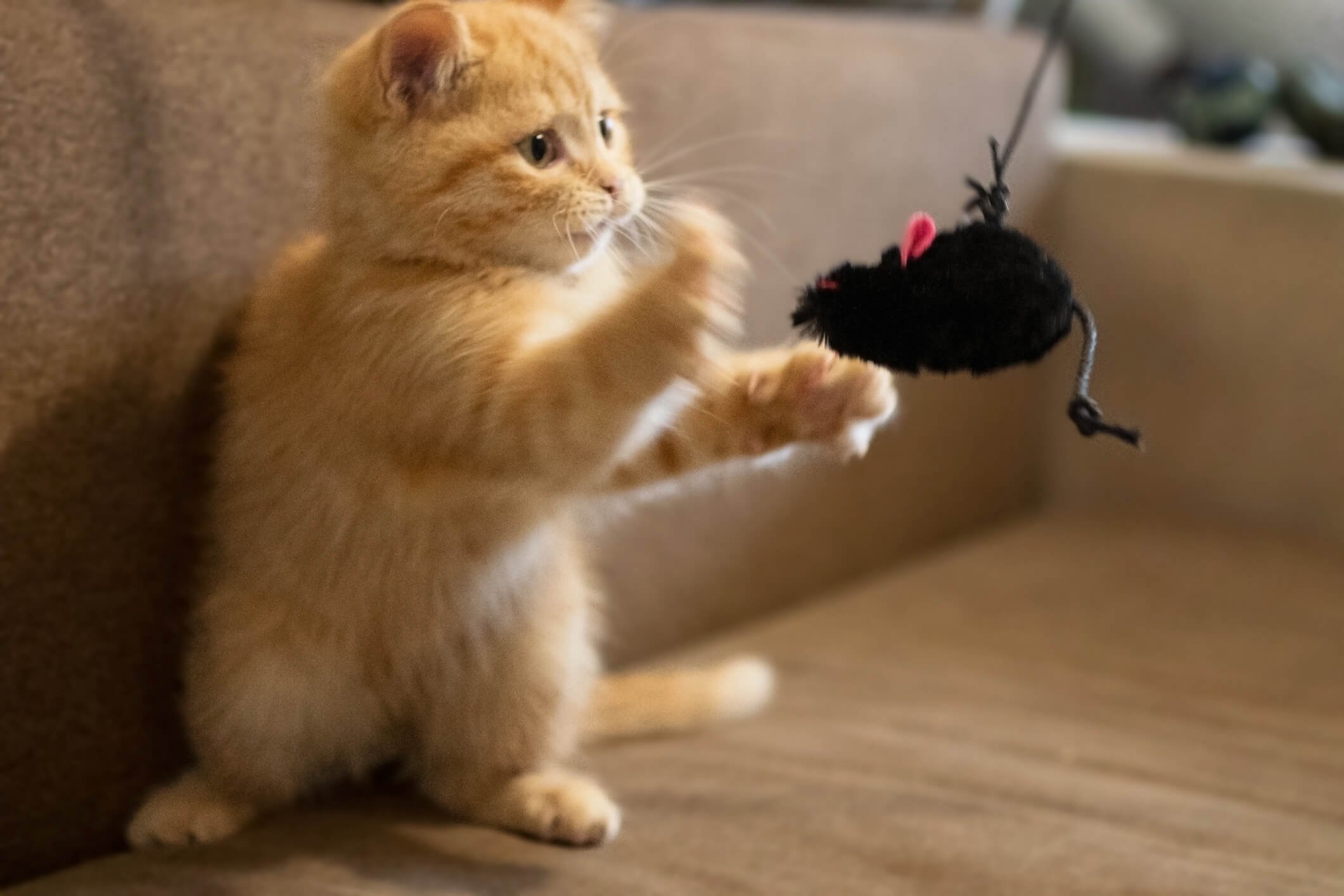
Play can look silly from the outside. Inside the home, play often works like a relationship vitamin. A few minutes of tug, fetch, or wand-toy chasing can shift the whole mood.
People who treat pets like family tend to prioritize intentional play. You do it even when you are busy. You do it even when you feel low energy and you often end up feeling lighter afterward.
Play also teaches you how to be present. Your phone is less interesting when a dog is doing a happy spin. Your brain gets a break from abstract worries when you focus on a living creature right in front of you.
There’s a social skill in play, too. You learn to take turns. You learn to watch for signs of overstimulation. You learn to end on a good note. Those are useful skills in any relationship.
To make play easier, reduce friction. Keep toys where you can grab them fast. Put the leash by the door. Choose one game that takes three minutes. Small counts.
Over time, you build a home culture where joy gets a spot on the schedule. Many adults forget to do that for themselves.
8. You Feel Connected to Other Pet People
You can talk to a stranger for 10 minutes because your dogs sniffed each other. You can recognize fellow pet people by the lint roller in their bag. You feel an instant friendliness at the vet waiting room.
This kind of connection makes sense. Shared care creates shared stories and animals give you an easy opening line. “What’s their name?” can turn into a real conversation fast.
For many people, pet communities offer low-pressure social support. You might swap training tips, grooming recommendations, or local park ideas. Even a quick nod on a familiar walking route can feel like belonging.
If you work from home or live alone, these small connections can matter more than you expect. They add a layer of social contact to a day that might otherwise feel very quiet.
You can deepen this trait by choosing one friendly habit. Smile at the other person. Ask one question. Keep it simple. People are often happy to talk about their pet for a minute.
9. You Take Goodbyes Seriously
When you treat a pet like family, you feel the weight of time. You notice gray hairs. You notice slower steps. You take more photos and you linger a little longer during cuddles.
This can show up in everyday moments. You say goodbye before leaving the house. You check that your pet is settled before you run errands. You come home and greet them like you mean it.
It can also show up in the way you plan for change. You think ahead about travel care. You keep records. You set aside money for surprises when you can. That is future-minded love.
Goodbyes also tend to sharpen gratitude. You appreciate ordinary routines because you know they are temporary. A walk becomes more than a chore. It becomes a shared experience.
If this section feels tender, keep it gentle. You do not need to live in dread. You can live in attention. One good habit is a “presence check.” When your pet settles beside you, pause and notice the warmth, the sound, the calm.
Taking goodbyes seriously often makes you better at showing up today. That is a rare kind of strength.
10. You Practice Everyday Empathy That Spills Over
Empathy grows through small acts, repeated often. You refill water. You adjust the blanket. You speak kindly when your pet is nervous. These actions build everyday empathy without a big speech.
You also learn to care across differences. Your pet does not share your language. They do not share your goals. You still try to meet their needs. That practice can expand how you relate to people who live differently than you do.
This trait often shows up in conflict, too. You pause before reacting. You look for the need underneath the behavior. You choose repair over punishment. In family life, that can look like apologizing sooner or offering a do-over.
There’s also a self-compassion angle. Many pet people talk to their animals in a soothing voice and then they notice how harsh their inner voice can be. Over time, some people start speaking to themselves with more care, too.
If you want to strengthen this skill, try one “spillover” action this week. Hold the door. Ask a coworker how they are doing and listen for the real answer. Offer a sincere thank you. These small moves add up.
In a busy world, empathy can feel like a luxury. In a pet-filled home, empathy becomes a daily habit and it tends to travel well.