



A while back, I watched someone in their 80s walk into a busy cafe like they owned the calm. No rushing. No phone tug-of-war. They ordered, thanked the barista and chose a sunny seat as if that one small choice mattered.
It stuck with me because plenty of 30-somethings I know feel like their days start mid-sprint. Even on “easy” mornings, their minds are already juggling five tabs.
Happiness in your 80s can look surprisingly practical. It often shows up as steadier emotions, fewer pointless arguments and a better feel for what deserves your energy.
These habits are simple enough to borrow at any age. They won’t turn every day into a highlight reel. They can help your day feel more livable, more connected and easier to steer.
Think of this as a set of small moves that protect your attention. Your attention is where your life actually happens.
1. They Start the Day With Light and a Simple Plan
Morning light is a quiet mood helper. People who feel good later in life often keep their mornings gentle and daylight is part of that. Open the blinds, step outside for a minute, or stand by a bright window while you sip water.
Then they make a plan that fits in one breath. A short list keeps the day from feeling like a swirling cloud. You can pick three simple priorities, even if one is “call the pharmacy” or “wash the socks.”
Try writing your plan on paper. Paper feels final in a soothing way. Your brain stops renegotiating every five minutes.
Some mornings call for a softer start. You can choose one anchor task, like making the bed or feeding a pet and let it signal, “I’m here, I’m awake, I’m moving.”
This habit works because it protects your first hour from chaos. When your first hour feels steady, the rest of the day follows that tone more easily.
2. They Move in Small, Frequent Bursts

You do not need a heroic workout to feel better in your body. Older adults who seem bright and buoyant often keep movement woven into the day. It can be a short walk, light stretching, or a few trips up and down the hallway.
When movement is frequent, it feels less like a project. You can connect it to daily cues. Stand up when you finish a phone call. Walk to the mailbox after breakfast. Do a slow lap around the kitchen while the kettle heats.
Here’s a tiny trick that feels almost silly and still works. Put on one song and move until it ends.
If you sit for long blocks, your mood can start to flatten. A short burst helps your energy come back online. It also gives your mind a reset without needing a screen.
On busy days, aim for “often” instead of “hard.” That mindset makes movement easier to repeat. Repeating is where the real payoff lives.
Over time, these bursts become part of your identity. You become someone who moves. That sense of everyday self-trust can feel deeply comforting.
3. They Keep a “People Snack” on the Calendar
A “people snack” is a small, regular touchpoint with someone who makes you feel safe. It can be a five-minute check-in call, a quick voice note, or a short coffee meet-up. The goal is steady connection that fits real life.
Many older adults build social contact into the week like a standing appointment. They often choose a time that is easy to keep, like Sunday afternoon or a weekday morning. That consistency takes pressure off.
If you want to try this, start tiny. Pick one person and one repeatable slot. Put it on your calendar like you would a dentist visit.
Text can count, especially if it has warmth. Send a photo of something small, like your lunch or a funny sign you saw. Add one true sentence about your day.
Strong relationships are one of the most reliable supports for well-being. This habit helps because it turns connection into something you can depend on. It creates low-drama closeness that lasts.
4. They Say What Matters in Plain Words
People who seem happier later in life often communicate with less fluff. They ask directly. They thank directly. They apologize directly. It saves time and it saves the relationship.
When you have something important to say, try one clear sentence first. “I miss you.” “I feel overwhelmed.” “I need a ride on Tuesday.” Plain words land better than speeches.
Also, they tend to name the feeling instead of building a case. That one shift can cool down many conversations. It also invites the other person to respond to you, instead of your argument.
Sometimes the bravest line is a short one. “I was wrong.”
If you freeze during conflict, prepare a few starter phrases in advance. “Can we talk after dinner?” “I want to understand your side.” “I need a minute.” Those phrases protect your emotional boundaries without turning cold.
Over time, plain communication becomes a form of kindness. It helps people feel secure around you because they do not have to decode you.
5. They Build One Tiny Moment of Purpose
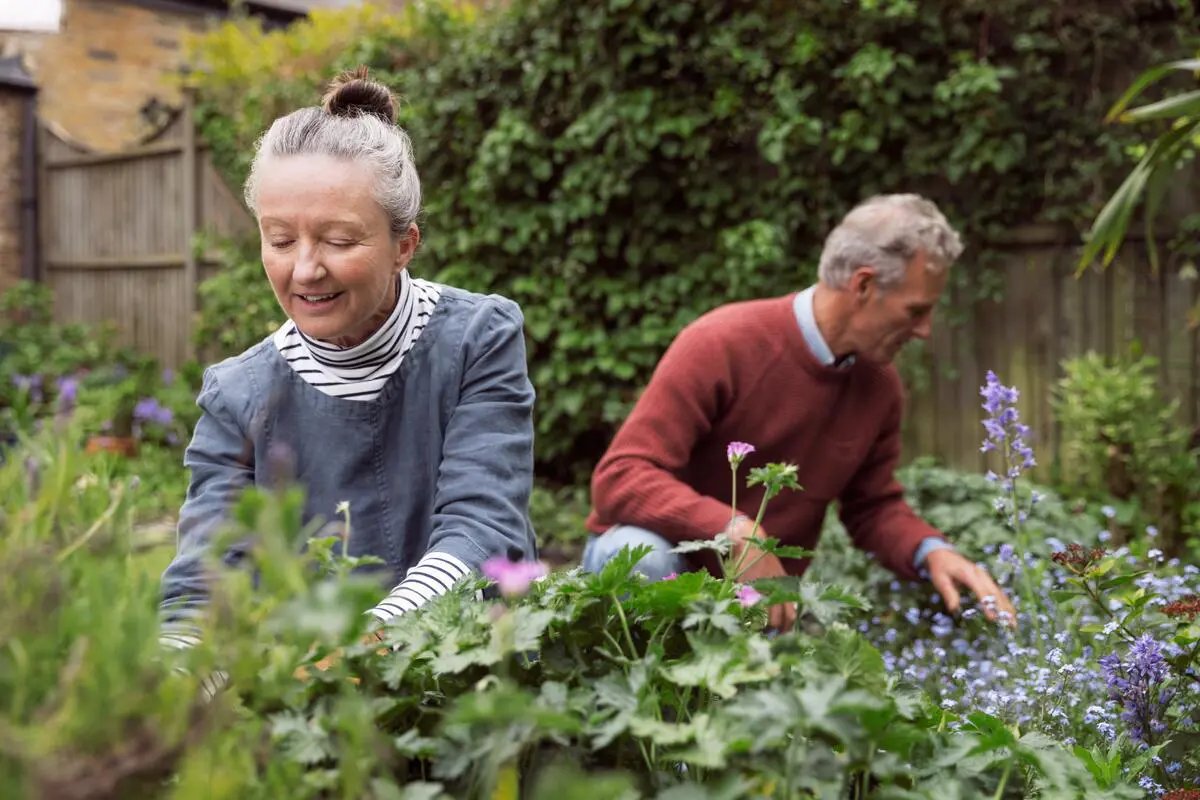
Purpose does not need a big stage. Many people in their 80s build purpose in small, repeatable ways. They water plants, make soup for a neighbor, or keep a promise to show up at a community group.
You can choose one small “I matter” task each day. It might be sending a supportive message, volunteering once a week, or learning a new recipe. The action can be simple. The meaning can be huge.
When your day feels scattered, purpose acts like a magnet. It pulls your attention toward something that feels worthwhile. That helps reduce the sense of drifting.
I once watched a neighbor in their 80s sweep the front steps every morning. “It’s my hello to the day,” they said and it made perfect sense.
If you want a quick start, ask yourself one question: “Who or what will benefit from me today?” Pick an answer you can complete in under 20 minutes. Small purpose builds quiet confidence.
6. They Make Lunch Feel Steady and Nourishing
Lunch can shape the whole afternoon. People who feel good later in life often treat midday food as a steady point. They keep it simple and familiar. They also avoid making lunch another stressful decision.
Try creating two or three easy lunch templates. Think soup and toast, a hearty salad, or a grain bowl with beans. When your options are ready, your brain gets a break.
On days when you feel wired, a calmer lunch can help you feel grounded. Sit down. Take a few slow bites. Let the meal be a pause.
Also, many older adults keep lunch social when they can. They eat with a friend, chat with a neighbor, or call someone while they prep food. Food plus connection often equals steady energy.
If time is tight, aim for “good enough” nourishment. A balanced snack plate counts. A sandwich with something crunchy on the side counts too.
This habit works because it reduces afternoon crashes and decision fatigue. It also supports the daily rhythm your body likes.
7. They Practice the Two-Minute Reset
Everyone gets thrown off during the day. Happier older adults often recover faster because they reset on purpose. You can do a reset in two minutes, right where you are.
Start with your body. Drop your shoulders. Unclench your jaw. Place both feet on the floor and feel the contact points.
Then use your breath as a metronome. Inhale slowly, exhale slowly and keep it gentle. If thoughts race, label the moment with a simple phrase like “busy mind” and return to the breath.
Research on daily emotions suggests that emotional patterns shift across adulthood and many older adults show greater emotional stability in everyday life. A small reset supports that steadiness because it gives your nervous system a clearer signal.
Try linking your reset to a trigger you already have. Do it after you wash your hands, before you open email, or while you wait for a page to load. This builds fast emotional recovery without taking over your schedule.
8. They Protect a Calm Evening Loop

Evenings can either refill you or drain you. Many people who seem happiest in their 80s have an evening loop they repeat. It might be tea, a show they love, a short walk, or tidying the kitchen in a relaxed way.
When you choose a calm loop, you reduce late-night decision-making. You also signal to your brain that the day is winding down. That signal matters, especially when life feels loud.
Try making your loop three steps. For example, wash your face, put on comfortable clothes and read ten pages. Keep it simple enough that you can do it even when you feel tired.
Some people also keep evening inputs softer. Lower lights. Quieter music. A slower pace in conversation. That creates sleep-friendly routines that feel like a gift.
If you live with others, you can build a shared loop. A short walk after dinner. A cup of herbal tea together. A quick “tomorrow plan” talk that ends with gratitude.
One calm loop becomes a daily landing pad. It helps you end your day with steadier emotions and fewer loose ends in your head.
9. They End the Day With One Good Memory
This habit sounds small and it can be powerful. Many older adults naturally scan for what went well. You can borrow that skill by ending the day with one good memory.
Your memory can be tiny. A friendly cashier. A warm shower. The way the sky looked at 6 p.m. The point is to give your brain one clear “save” button.
Write it down if you can. A short note works. “Saw a dog in a raincoat.” “Finished the laundry.” “Had a good talk with my sister.” These notes build a trail of everyday gratitude.
If you share a home with someone, ask one question at night: “What was the best part of your day?” Keep it light. Let the answer be short.
Over weeks, this habit trains your attention to notice good moments while they are happening. That makes happiness feel more reachable, even on ordinary days.