



I once watched a stranger at a coffee shop unlock their phone, read a bank alert out loud and then leave their screen glowing on the table during a refill run.
Nobody looked like a “bad person.” The vibe was normal, friendly, everyday. That’s the point. Privacy slips usually happen in ordinary moments when your brain is elsewhere.
Mindfulness teachers talk a lot about attention. Where your attention goes, your choices follow. Privacy is one of those choices that gets easier when you slow down for two seconds and ask, “Who is around me and where will this information travel next?”
You can share your life and still keep your boundaries. You can be open-hearted and still be smart. Privacy is a form of care, for you and for the people connected to you.
Below are 10 things worth keeping private most of the time, plus a few simple ways to decide when sharing actually supports the life you want.
1. Passwords and Security Answers
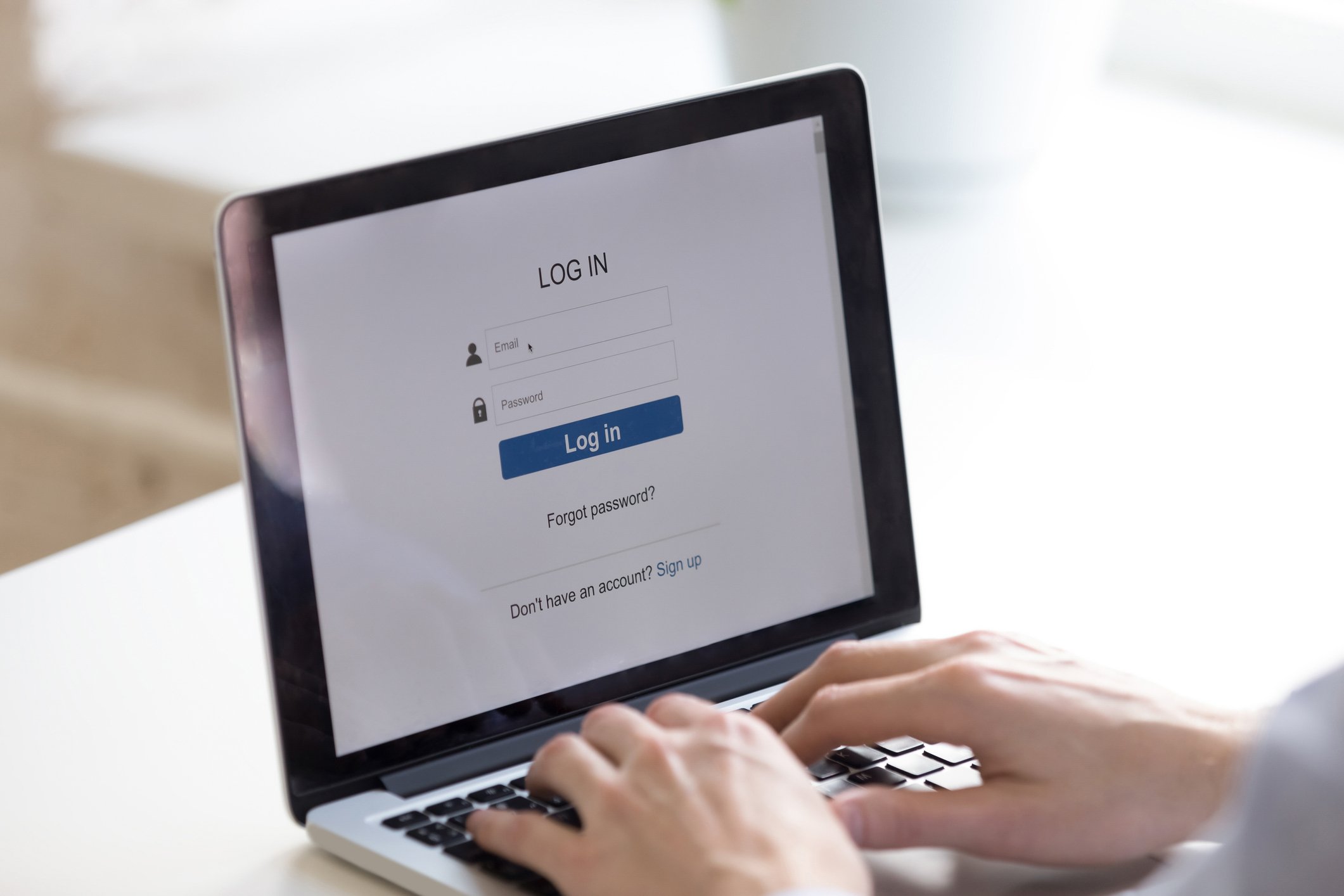
Your passwords are keys. Anyone holding them can walk right into your accounts, your money, your photos and your contacts.
Start with the basics: keep passwords off notes you carry around, off whiteboards and out of texts that can be forwarded. A quick screenshot can last a long time.
Because security questions are often based on personal facts, they can be guessed by people who scroll your social posts. Think of “What is your first pet’s name?” as a tiny door and public nostalgia posts as the map.
A mindfulness-friendly habit helps here. Pause before you say a password out loud, even to someone you trust, especially in public. Your nervous system relaxes when you assume the space is private, yet the room has ears.
Two-factor authentication adds a second lock and it matters. You can set it up during a calm moment rather than after a stressful surprise.
Privacy starts with small pauses.
2. Your Full Home Address
Your home address ties your online life to your front door. That link can create unwanted contact, unwanted deliveries, or attention you never asked for.
When you sell something online, meet in a public place when possible. Many communities use police station lobbies or well-lit store entrances for exchanges.
If you run a small business or create content, consider a mailbox service for public-facing mail. It keeps your personal space separate from your public presence.
Try a quick “future you” check. Imagine how you’d feel if your address ended up in a screenshot shared to a group chat. If your shoulders tense, your body just gave you a useful signal.
Your home is your recovery zone. Treat its location like a detail you share with care, on purpose and with the right people.
3. Real-Time Location and Daily Routines
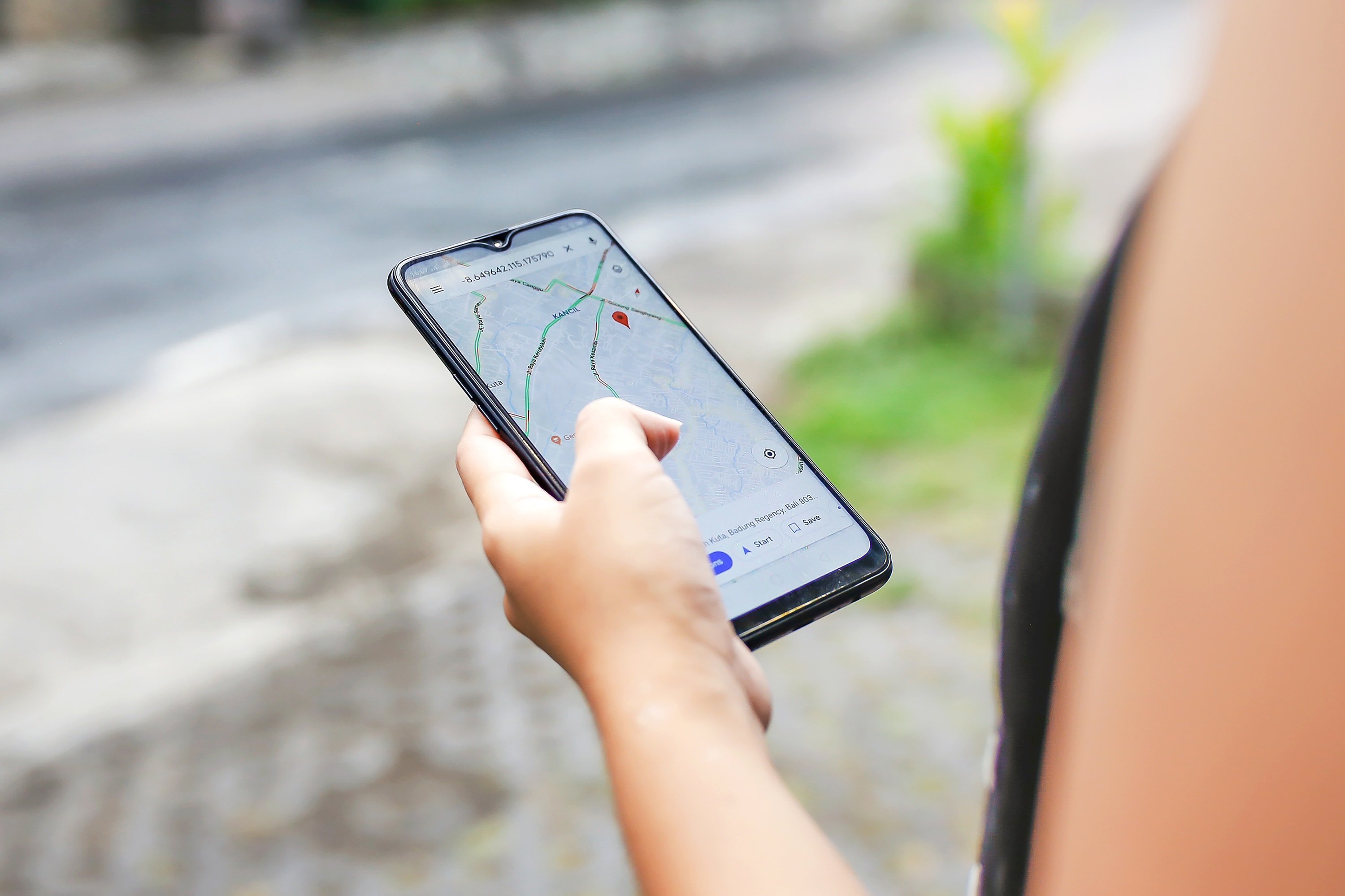
Real-time posts are fun. They also tell the world exactly where you are and sometimes, when you are away from home.
When you share a routine, you share a pattern. The same gym at the same hour, the same dog-walk route, the same solo café seat every Sunday. Patterns are easy to follow.
Instead, try a time delay. Post the hike photo after you’re home, showered and relaxing. Share the concert clip the next morning when your location has changed.
Also, check your app permissions. Some apps collect location in the background. A quick review in your phone settings can reduce how often your whereabouts get stored and shared.
Routine privacy supports calm. It keeps your days feeling like your own, even when you love posting highlights.
Sometimes the best flex is being hard to track.
4. Detailed Money Numbers
Money talk can build connection, especially with trusted friends. Details like account balances, debt totals and exact income can also invite judgment, pressure, or plain old curiosity that doesn’t feel good.
In mindfulness, you practice noticing what happens inside you before you speak. Money can trigger comparison fast. If you feel heat in your face or a rush to impress, you have a clue that your sharing might be fueled by stress.
You can still have real conversations. Focus on themes and choices: budgeting habits, saving for a goal, learning about investing, or negotiating a raise. Those topics help people without turning your finances into a public scoreboard.
For practical safety, keep photos of checks, payment confirmations and tickets off social media. Seemingly small numbers can be used in scams.
Financial privacy gives you breathing room. It lets you make decisions without an audience in your head.
Numbers feel personal because they are personal.
5. Workplace Complaints With Names Attached
Work stress is real. Venting can be a relief. Yet when names and details get attached, the story can travel farther than you expect.
Group chats feel cozy until a screenshot appears. Even a private account can be shared, saved, or shown to someone in the wrong moment.
If you need to process a tough situation, keep it general in casual spaces. Focus on what you need: clearer boundaries, better schedules, more support, or a plan for a hard conversation.
When you want to share, choose a safer container. A trusted friend in person. A private journal. A walk where your phone stays in your pocket.
Professional boundaries protect your reputation and your peace. They also protect coworkers from becoming characters in a story they never agreed to join.
6. Someone Else’s Private Story

Some information belongs to someone else. Their health news, family conflicts, breakup details, finances and trauma history carry weight.
When you share another person’s story, you can shift how others see them. You can also remove their choice about when and how to speak.
A simple mindfulness practice fits here: pause and ask, “Does this story belong to me?” If the answer feels shaky, keep it close.
If you think sharing could help, ask first. “Are you okay with me telling my sister about this?” gives them control.
Confidentiality builds trust in everyday relationships. People relax around you when they sense you hold their words with care.
Trust grows in quiet moments like this.
7. Deep Personal History With Brand-New People
Deep sharing can feel like instant closeness. It also creates vulnerability before you know whether the other person handles it well.
Many people have felt the “overshare hangover.” You walk away thinking, “Why did I say all that?” Your body often knows the timing was off.
Try a step-by-step approach. Start with lighter truths, then watch what happens. Do they listen well? Do they keep things private? Do they bring kindness or gossip?
Research on self-disclosure suggests that sharing can support closeness, especially when it’s mutual and appropriate. In real life, pacing is part of appropriateness.
Emotional pacing helps you stay open while protecting your inner world. You deserve connection that grows with time.
Slow trust often turns into strong trust.
8. Your Most Sensitive Insecurity
Everyone has a tender spot. Maybe it’s your body, your voice, your family background, your learning style, or the way you handle conflict.
Sharing insecurities with the right person can feel freeing. Sharing them with someone who collects weaknesses can make you shrink.
Look for signals of safety. People who respect boundaries tend to ask permission, keep your secrets and apologize when they miss the mark.
When you feel the urge to confess an insecurity to win approval, pause. Take one slow breath. Ask yourself what you need in that moment, reassurance, rest, or support.
Self-respect shows up in what you choose to reveal. You can keep your softest parts close until you feel steady and supported.
You get to decide who earns that access.
9. Medical and Legal Details in Public Spaces
Health and legal situations can be stressful. Under stress, people speak louder, share more and forget who is nearby.
A waiting room, an elevator and a café line can turn into accidental audiences. Phones make it even easier to leak details, especially on speaker.
Try a simple boundary: take sensitive calls in a private spot or wait until you can. If that’s impossible, keep your words broad and save details for later.
Also, think twice before posting documents, appointment screenshots, or case updates. Once something is shared, it can be copied and stored.
Personal dignity includes privacy around your body and your rights. You can ask for help without turning your situation into public content.
Your future self may feel grateful for that restraint.
10. Your Next Big Plan Before It Has Structure
Big plans feel electric. A new business idea. A move. A creative project. A relationship shift. It’s tempting to announce it the second the spark hits.
Some plans need quiet to grow. Early sharing can invite opinions that dilute your focus, or doubts that land before you have a solid base.
Choose a small circle for early-stage dreams. One or two people who support your growth and speak with care. Ask them for what you want, encouragement, feedback, or accountability.
When you wait to share widely, you give yourself time to build structure. That might mean a budget, a timeline, a first draft, or a simple next step written on paper.
Mindful ambition has a calm center. It holds excitement and patience at the same time.
Quiet progress can feel surprisingly powerful.