



Some weekends feel like a crowd, even if nobody texts you. The calendar fills itself. Brunch, errands, group chats, a quick scroll that turns into an hour.
Other weekends feel like a clean countertop. Open space. Time that belongs to you. If you love that kind of weekend, you are not “missing out.” You’re practicing a set of skills that many people work hard to learn.
I once canceled a plan on a Friday night and woke up Saturday with zero appointments. By noon, I’d cleaned my kitchen, taken a long walk and felt calmer than I had in weeks.
Choosing alone time can look simple from the outside. Inside, it often takes self-trust, emotional awareness and a strong sense of what helps you feel well.
Here are eight quiet strengths that often show up when you genuinely enjoy being alone on weekends, plus easy ways to spot them in your own habits.
1. You Treat Rest Like a Real Plan

You don’t wait until you collapse to rest. You build it in. That means you protect sleep, downtime and slower mornings the way other people protect reservations.
Rest looks different for everyone. For you, it might be a late breakfast, a long shower, or lying on the floor with a podcast and the lights low. The point is that you give your body and brain time to reset.
On Saturday, you may choose one “anchor” activity, then keep the rest of the day open. That kind of gentle structure can lower stress because you stop negotiating with yourself every hour.
Try a simple weekend rule: pick one thing that supports your energy, then schedule it first. A nap, a walk, meal prep, a yoga video, or laundry while a movie plays in the background all count.
Small detail, big impact: you likely plan rest before you feel desperate for it.
2. You Feel Comfortable Making Your Own Choices
Some people feel uneasy with open time. You tend to feel capable in it. You can decide what to do without needing a vote, a partner plan, or a group poll.
This strength shows up in tiny moments. You pick the restaurant you want. You choose the movie you actually enjoy. You leave a store without buying anything because nothing fits what you needed.
When you spend time alone, you practice listening to your preferences. Over time, that becomes healthy independence. It also makes it easier to speak up during the week, because you know what “yes” feels like for you.
Consider your weekend like a low-stakes training ground. If you want to try something new, you can. If you want to repeat the same comforting routine, you can do that too.
One helpful check-in question is, “What would make today feel easier?”
3. You Enjoy Simple, Self-Directed Fun
Weekend joy does not always need an audience. If you love being alone, you often get pleasure from simple activities you can steer yourself.
Think of the low-key things that still feel rich. A library trip. A solo museum hour. Cooking something colorful. Watching a comfort show while you fold towels. These moments build everyday happiness because they are repeatable.
There’s also a creative edge here. When nobody is watching, you can sing badly, paint messily, or write half a page and quit. That freedom helps many people stay consistent with hobbies.
If you want to strengthen this quality, keep a short list called “easy fun.” Put five ideas on it that take under an hour and cost little. When a weekend feels flat, pick one.
Some of your best weekends may look “boring” to someone else and feel quietly perfect to you.
That’s the power of self-directed joy.
4. You Keep Your Social Energy for the People Who Matter

You may enjoy people and still love your solo weekends. That balance often means you treat social time like a resource. You spend it where it feels meaningful.
Many adults juggle work, family responsibilities and constant pings from devices. Saving your social energy can protect your patience and your ability to show up with warmth.
Notice how you choose. You might skip a big group event and meet one close friend for a walk instead. You might keep Friday night quiet so Sunday dinner with family feels easier.
Researchers have studied solitude and well-being, including the way choiceful alone time can shape how it feels. One recent daily-life study suggests that solitude can relate to relaxation when it is experienced as something you choose.
A practical habit: build “social peaks” into your month. Pick a few gatherings you genuinely want, then let the in-between weekends stay lighter.
When you do say yes, you often bring high-quality attention instead of half-there energy.
5. You Notice Your Moods Early
Alone time gives you a clearer signal. With fewer conversations and fewer plans, you can feel your internal weather sooner.
That can show up as small awareness. You realize you are getting irritable, so you eat a real meal. You feel restless, so you move your body. You feel sad, so you choose a comforting activity and reach out to someone you trust.
Some people call this “emotional intelligence,” yet it often starts with something simpler: mood tracking in your own head. You recognize patterns, like how too much caffeine makes you anxious, or how a messy room makes you feel scattered.
If you want to build this strength, try a short check-in on weekend mornings. Name your mood in one word. Then name one need. Tired. Quiet. Hungry. Movement. Connection.
This keeps your weekend from running you.
It also helps you enter Monday with fewer surprises.
6. You Give Your Brain Space to Think Clearly
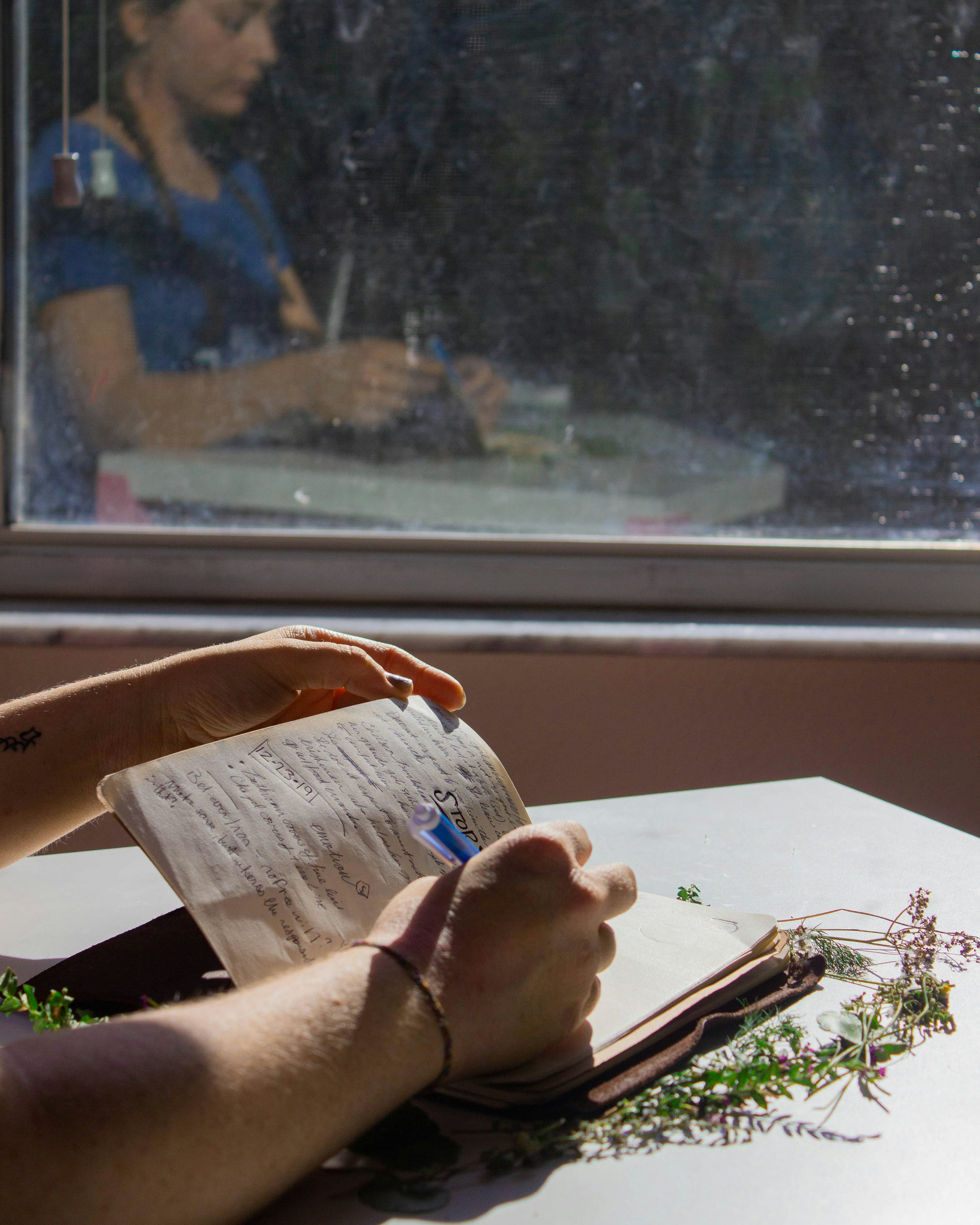
When you are alone, your brain gets fewer inputs. That can make room for clearer thinking, especially if your week is full of deadlines, meetings, or caretaking.
You might notice that your best ideas arrive during a solo walk or while doing a simple task. Many people experience this because routine activities lower pressure and let thoughts settle.
Clarity can also look like decision-making. You finally choose the dentist appointment. You plan meals for the week. You realize a friendship feels draining and you want to adjust how often you meet.
Try giving yourself one “quiet block” on weekends. Thirty to ninety minutes works. Put your phone in another room, then do one calm activity. Walking, cooking, stretching, cleaning, or journaling all help.
A lot of people chase productivity. You practice mental breathing room.
Over time, that space can support better decisions, because you are hearing your own thoughts more often.
7. You Do Small Resets That Add Up
Some weekend habits look tiny. They still change your whole week. People who enjoy being alone often become experts at small resets.
For example, you may tidy one corner of your home, then stop. You refill your water bottle. You wash sheets. You prep a simple breakfast so Monday morning feels softer.
These actions create a sense of control. They also reduce “future stress,” because you remove friction before it appears. You are building quiet momentum without pushing yourself into a full overhaul.
A reset can be emotional too. You take a long bath. You go outside for ten minutes of daylight. You turn on music and open a window.
Keep your resets easy enough that you’ll actually do them. Consistency matters more than intensity.
8. You Hold Strong Boundaries Without Drama
If you protect alone time on weekends, you probably know how to set boundaries in a calm way. You can decline invites without a long explanation.
This skill often sounds like a simple sentence. “Thanks for thinking of me. I’m keeping this weekend low-key.” People who respect you will understand.
Boundaries can also be internal. You decide when to stop scrolling. You choose a bedtime. You limit errands to one part of the day so the rest stays open.
Try a boundary that supports your peace. Pick one and practice it for a month. You might keep Saturday morning plan-free. You might answer texts in one batch instead of all day.
Sometimes the hardest part is letting yourself enjoy the quiet without guilt. That’s where self-respect shows up.
Over time, those small choices build a life that fits you, including more restorative solitude and steadier energy.