



Some people drift to the building side of the sidewalk. Others end up closer to the street, without thinking much about it.
I noticed this on a late-afternoon walk with someone I care about. At a busy corner, my feet shifted toward the curb before my brain caught up.
That tiny move can look ordinary. Still, it often comes from a set of personal strengths that show up in other parts of your life, too.
You might be the person who holds the door, checks the weather, or remembers where the uneven steps are. You do it smoothly. You keep the moment light.
Researchers have even studied how pairs choose sides when they walk together. One paper on walking side preferences explores patterns in couples, including how people respond to perceived risk.
If you tend to take the traffic side, here are nine quiet strengths that often travel with you.
1. You Scan Your Surroundings Without Making It a Big Deal
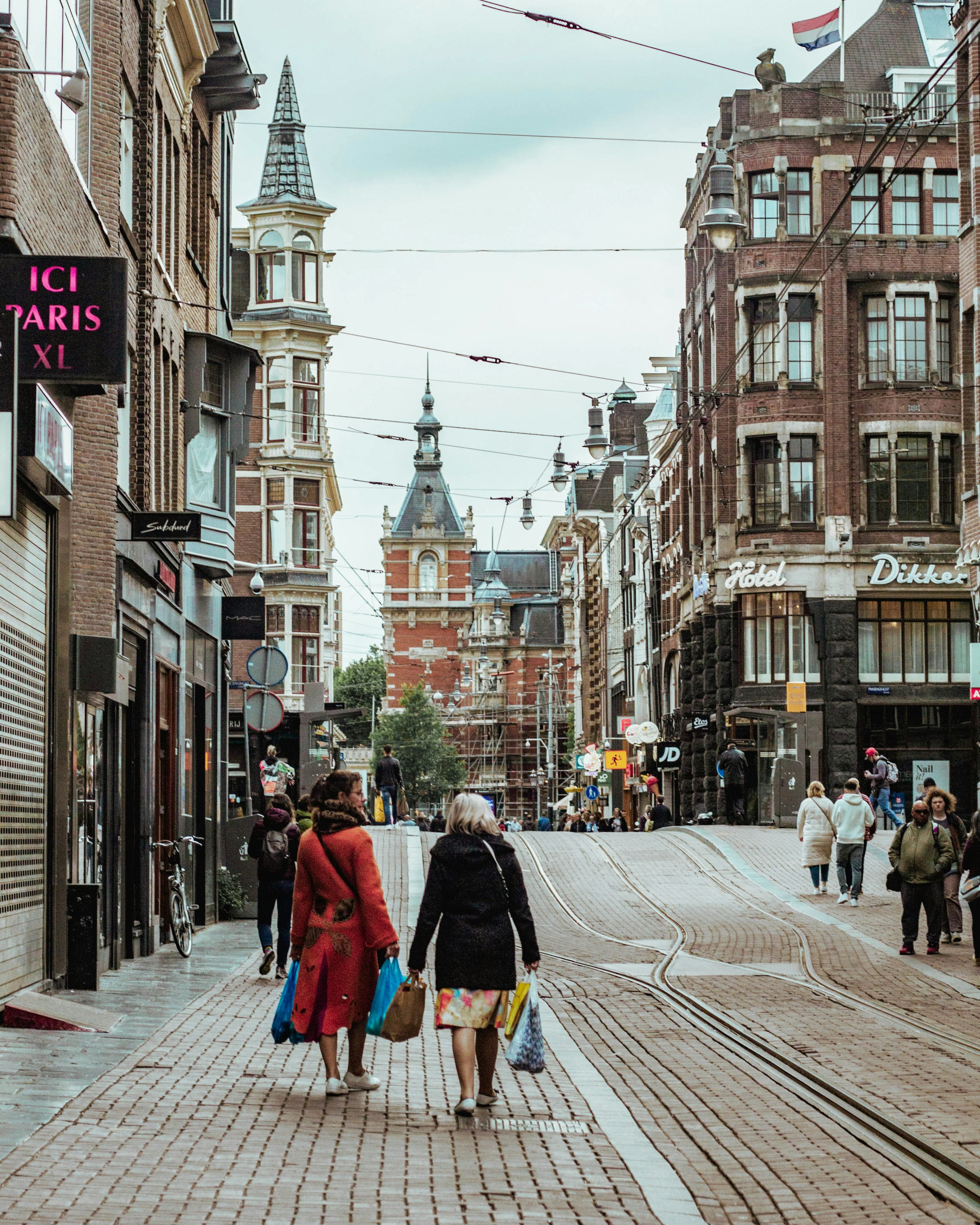
You pick up details fast. You notice the bike coming up behind you, the car edging out of a driveway, or the delivery rider cutting the corner.
For you, awareness feels like a background app. It runs while you talk, listen and laugh.
Sometimes you choose the traffic side because you want a clearer view of what is moving. That small habit can reflect situational awareness in everyday life.
When plans change, you usually spot it early. You see the long line at the entrance. You notice the rising noise in a room. You adjust before the moment turns messy.
Also, you tend to keep your scanning quiet. You do not narrate every risk. People around you feel more relaxed because your calm stays steady.
One more clue shows up in how you walk. You might angle your shoulders slightly toward the street. It is a soft way of staying ready.
2. You Think About Safety in Small, Everyday Ways
Safety is often a collection of tiny choices. You pick the better-lit route. You wait for the walk signal. You keep an eye on the curb when someone is wearing slick shoes.
This can show up at home, too. You replace a burned-out porch light. You keep a first-aid kit stocked. You remind people where the flashlight lives.
There is a warm kind of practicality here. It is everyday risk sense that helps life run smoother.
Even your timing reflects it. You leave a few minutes early. You bring a water bottle. You check that the phone is charged.
And when you take the traffic side, you are often making a quick safety calculation. You do it in one second. You keep walking like it is no big thing.
3. You Lead With Care When Someone Else Is With You
Walking on the street side can be a form of quiet protectiveness. You create a small buffer. You do it without turning the moment into a lecture.
In relationships, that often looks like gentle leadership. You choose the restaurant that has enough space. You pick the movie time that works for everyone.
When someone is distracted, you become the steady one. You guide the pace. You watch for obstacles.
Your care usually feels natural, not heavy. You ask, “Want to cross here?” You offer your arm at an icy patch. You keep your voice easy.
Another strength is that you do not treat care as a special event. You weave it into normal life. That is steady support, the kind people remember.
Sometimes you also notice power dynamics. You make room for the other person to choose. You lead in a way that still respects their comfort.
4. You Stay Calm When Things Feel Unpredictable
Traffic is unpredictable. So are crowds, loud corners and sudden honks. If you gravitate to the street side, you may also carry calm under pressure.
You do not freeze when something changes. You keep your body loose. You keep your eyes open.
On a hectic day, you tend to become the steady pace-setter. You slow down without making it awkward.
I once watched a bus splash through a puddle near the curb. The person beside me gently guided us a step inward, then kept talking like nothing happened.
That skill can help in conversations, too. When emotions rise, you hold the tone. You choose words carefully. You stay respectful.
It also helps you recover quickly. A surprise does not have to ruin the whole outing. You reset and continue.
5. You Notice What Other People Need Before They Say It

This strength is a kind of social radar. You pick up on small cues, like a slower step, a tight grip on a bag, or a glance toward the curb.
You often sense when someone wants more space. You notice when they are nervous near traffic. You adjust your position and your pace.
People who do this well usually have high empathy in practical form. It shows up through actions that fit the moment.
You may also be good at reading context. If the sidewalk narrows, you shift. If a loud truck passes, you pause the story and let it pass.
Sometimes your attention helps someone save face. You offer help before they need to ask. You keep it casual.
That can be a big deal for a shy friend, a tired partner, or a new coworker. Your awareness makes the social world feel easier to enter.
6. You Take Responsibility Without Seeking Credit
Street-side walkers often handle small duties without making a point of it. You move to the outside. You carry the heavier bag. You check the directions.
This points to low-drama responsibility. You do what needs doing, then you move on.
In groups, you may be the person who notices what is missing. Napkins, batteries, a plan for getting home. You quietly fill the gap.
At work, this can look like closing a loop. You send the follow-up email. You confirm the meeting room. You double-check the details.
One sentence says a lot here. You help because it helps.
7. You Plan One Step Ahead, Even on Simple Walks
Taking the traffic side often involves quick planning. You predict where the sidewalk gets crowded. You choose the smoother stretch near the corner.
That habit can reflect practical foresight. You consider what comes next, even when the stakes are small.
You might be the person who checks the weather before a picnic. You bring a light layer. You pack a snack “just in case.”
When traveling, you tend to map the basics. Where is the nearest transit stop? Which exit is closest to the hotel? You like having a simple plan.
Your planning style can feel comforting to others. It reduces little frictions. It saves time and energy.
And you keep it flexible. If the route changes, you switch without spiraling. That is adaptive planning in real life.
8. You Respect Personal Space and Social Comfort
Sidewalk walking is social choreography. Some people like to walk close. Others need a bit of room. You tend to notice that quickly.
If you take the outside, you may also be protecting someone’s comfort bubble. You give them space from strangers passing close by.
You often match pace, too. You avoid dragging someone along. You avoid leaving them behind.
This respect can show up in conversation. You let people finish. You pause before jumping in. You notice when a topic feels tender.
One small habit says a lot. You create ease around other people.
9. You Treat “Together” Like a Team, Even in Tiny Moments

Choosing the traffic side can be a tiny team move. You and the other person are sharing space. You are also sharing attention.
Team-minded people look for ways to make outings smoother. You keep track of the tickets. You remember the meeting spot. You check that everyone is okay after a long day.
You may also be good at quiet coordination. You time your steps so you do not bump into others. You guide the group through a busy corner.
This strength often comes with kindness. You celebrate the other person’s wins. You make room for their preferences. You keep the vibe friendly.
Sometimes it shows up in how you handle awkward moments. You crack a gentle joke. You shift direction. You protect the connection.
Over time, those tiny choices build trust. People feel safe around you. People feel included around you. That is everyday loyalty.