


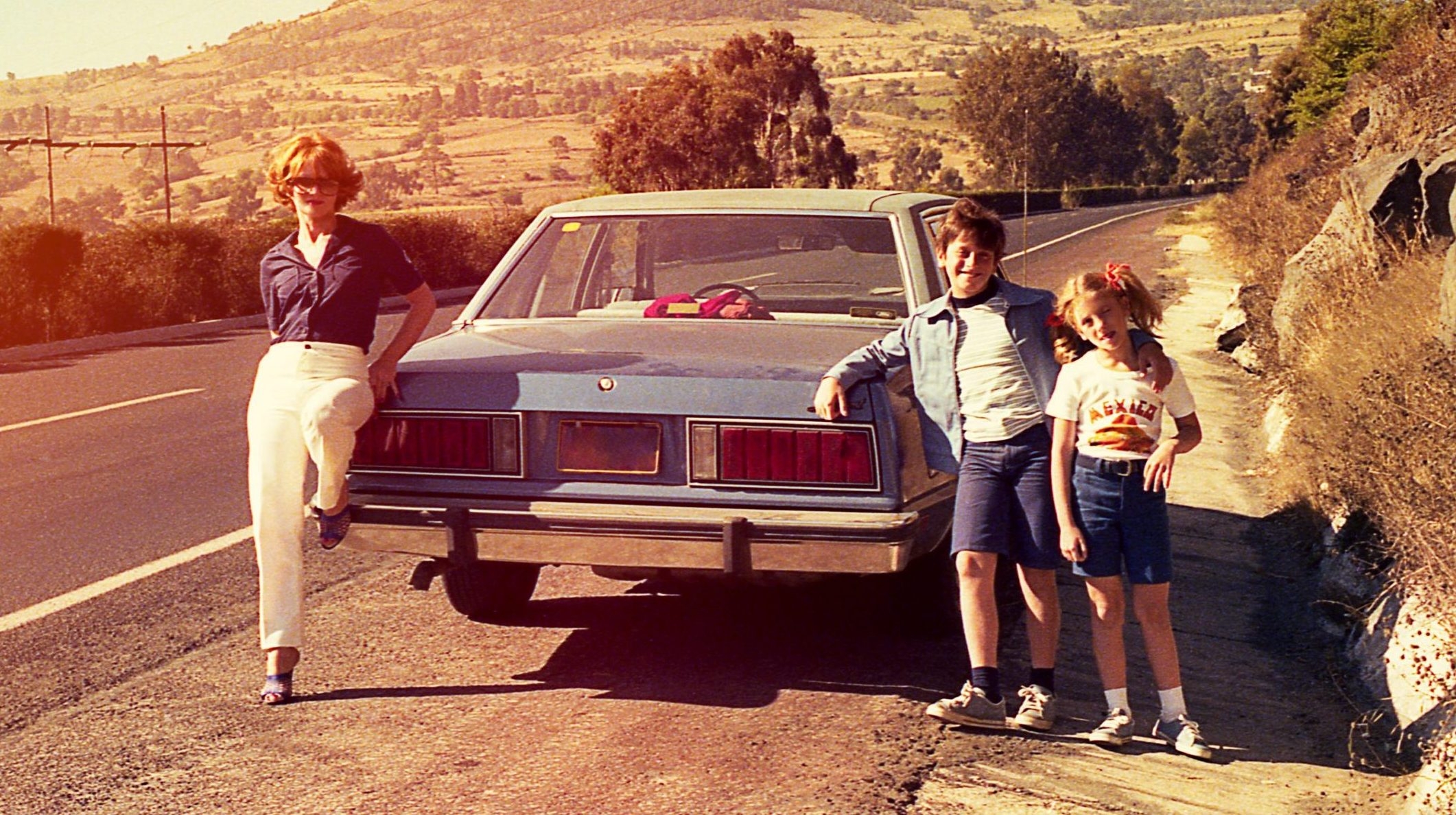
You know that strange mix of warmth and sadness you feel when you see an old photo. A street with fewer cars. Kids on bikes without helmets. Someone sitting on a porch just watching the sky. Part of you relaxes, even if you never lived in that time.
Psychologists call that feeling nostalgia and research suggests it can actually make you feel more hopeful about your future. Remembering small joys from the past is not about pretending everything was better. It is about borrowing what worked and bringing pieces of it into a busy, distracted world.
For many people, the 60s hold that kind of glow. There were big problems, of course and not everyone had the same experience. Still, certain everyday habits from that decade gave people built in moments of rest, connection and simple fun.
You might not be able to turn back the clock, but you can look at how they lived and ask a gentle question. What parts of that slower life could you steal back, even for 10 minutes at a time.
As you read, notice which memories tug at you. You do not need a front porch or a record collection to feel the same kind of calm. You only need the spirit of these small joys and a little willingness to protect them from your notifications.
1. Slow Evenings On The Front Porch
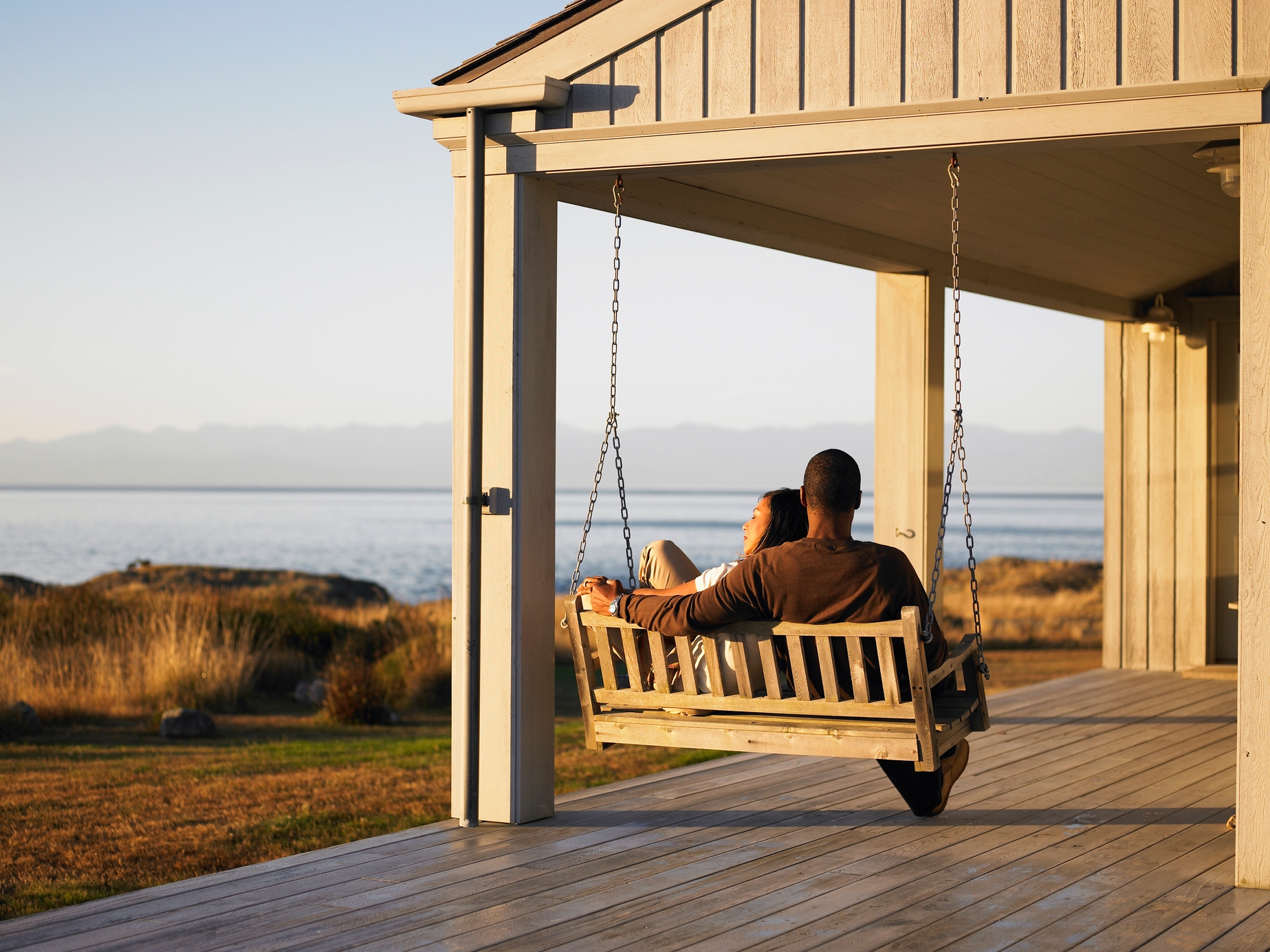
Picture this. Dinner is done, dishes are drying and you step outside with no real plan. The light is soft. You can hear a neighbor’s radio and a dog down the street. That was the quiet power of slow evenings on the front porch in the 60s.
Back then, the porch was not just decoration. It was a natural pause button. People sat outside because there was not much else to do. No endless scroll. No streaming queue. Just weather, sky and whoever walked by.
Psychologically, that kind of daily pause matters. Your mind needs small pockets of “nothing” so it can process the day. When you stare at a tree for ten minutes, your brain shifts out of constant problem solving and into a softer, more creative mode. You might notice your shoulders drop without trying.
Today you might not have a porch, but you can steal the feeling. A balcony, a front step, or even a parked car with the window down can become your mini porch. The key is to sit with no phone and no task. Just be a quiet observer of your street or your sky.
At first it might feel strange. You may reach for your phone out of habit. That is normal. With practice, you start to crave that break. You might even find that some of your best ideas arrive when you are doing absolutely nothing at all.
Most of all, porch time teaches you that you do not have to fill every minute. You are allowed to simply exist, breathe and watch the evening roll by.
2. Walking Everywhere Without A Second Thought
In the 60s, a lot of daily life happened on foot. Kids walked to school. Adults walked to the corner store. Friends walked to each other’s houses. It was not a “step goal.” It was just normal.
This constant movement created a natural walking lifestyle. People got fresh air, daylight and background exercise without booking a class or wearing special clothes. They also got small social moments, like waving to neighbors or chatting in line.
From a mood point of view, regular walking is one of the simplest mental health boosters. Studies from public health groups keep repeating the same message. Light movement during the day is linked with better sleep and lower stress, especially when you do it outside in real daylight.
Today, many of us drive to the gym to walk on a machine under bright lights. It works, but it can feel disconnected from real life. To recapture a 60s feel, try folding walks into errands you already do. Walk to pick up a small grocery item. Park a bit farther away. Call a friend and walk while you talk.
Bit by bit, walking stops feeling like another task on your list. It becomes a gentle reset button you press a few times a day. Like a small act of care for your body and your mind.
3. Long Phone Calls With Just One Person
Before group chats and endless notifications, the phone was a simple thing. You dialed one person. You talked. You listened. Sometimes you lay on the floor with the cord twisted in your fingers and you just stayed with that one voice.
Those one-on-one conversations helped people feel deeply known. There was no “typing bubble” from six other people at the same time. No memes flying past your serious thought. Just a slow, honest exchange that could last an hour or drift into a comfortable silence.
Emotionally, that kind of focus is powerful. When someone gives you their full attention, even through a line, your nervous system picks up the safety in that. You feel valued. You feel less alone. It is hard to get that same feeling from a stream of short messages.
Of course, life is busy now. Long calls can feel like a luxury. Still, you can bring back pieces of that 60s energy. Schedule a “talk night” with someone you care about. Put your phone on do not disturb for everyone else. Let the conversation wander, the way it used to when nobody was rushing to hang up.
Even one long call a month can deepen a relationship that has been drifting on surface level updates. You might be surprised how much calmer you feel when you end the call and how much closer you feel to that one person.
4. Getting Lost In A Record From Start To Finish
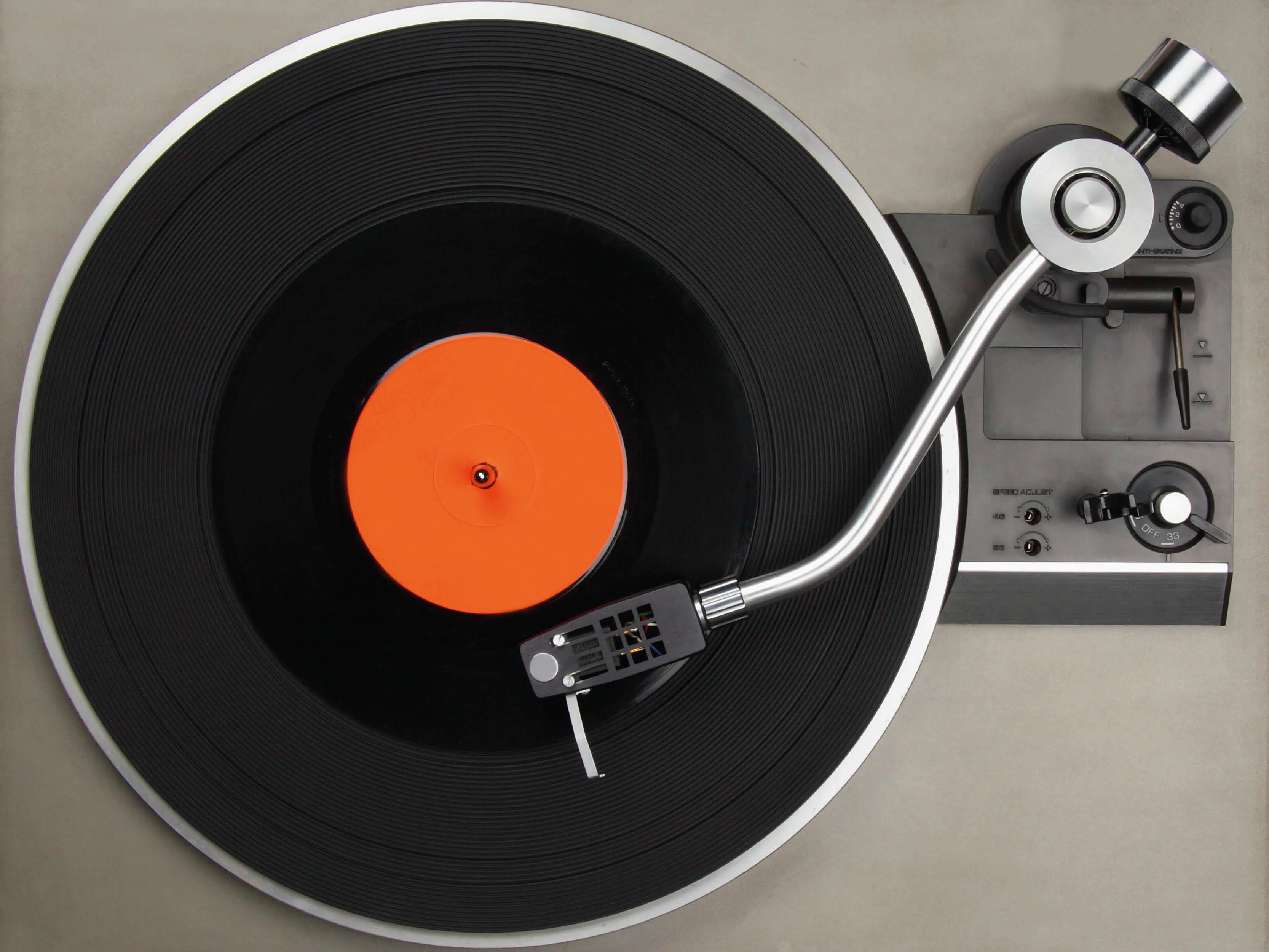
In the 60s, music came in albums, not shuffled playlists. You placed the needle and you usually stayed with the record all the way through. No quick skips. No endless options. Just one artist, one mood, one world for the next forty minutes.
This was a masterclass in deep listening. You gave your full attention to the songs, the lyrics, even the cracks and pops in the background. The album told a story and you let it unfold at its own pace.
Today, it is easy to treat music as wallpaper. It plays while you answer emails or scroll on your phone. There is nothing wrong with that, but it means you miss the full emotional hit that music can offer when you really sink into it.
To borrow from the 60s, try a “one album session.” Pick an album, old or new and listen from start to finish without doing anything else. Sit or lie down. Notice the instruments. Notice what memories or feelings float up. Treat it almost like a short movie, but for your ears.
You might find that this simple ritual resets your mood faster than many “productivity hacks.” It gives your mind a clear lane to travel in, instead of pulling it in five directions at once.
5. Handwritten Letters That Took Their Time
There was a special kind of magic in handwritten letters. You picked out paper. You found a pen that felt good. You sat at a table and thought about what you wanted to say. It slowed everything down in the best way.
Because letters took effort, people chose their words more carefully. They reflected. They described small details. They told stories that would be worth reading days later. The delay was part of the charm. You knew it would take time to arrive and time to get a reply.
That waiting built a sense of importance around the relationship. When you finally opened an envelope with your name on it, you felt seen. Someone had spent their limited time and energy on you. In a world where messages now arrive in half a second, that feeling is rare.
You probably will not replace email with paper, but you can still bring bits of that slow care into your life. Write a short note to a friend and mail it. Leave a simple card on a family member’s pillow. Even jotting down three kind sentences can shape someone’s whole day.
For yourself, you can also write letters you never send. A letter to your younger self. A note to your future self. The act of writing by hand pulls you out of the rush and back into your own mind.
6. Kids Roaming The Neighborhood Until Dark
Many people remember a version of this. “Be home when the streetlights come on.” That was the rule. Kids ran between yards, built forts, argued, made up and invented games from nothing. It was a kind of free-range childhood that feels rare now.
This roaming gave children a sense of trust and freedom. They learned how to solve small problems without constant adult guidance. They explored their own limits. They also formed bonds with kids of different ages on the same block, not just classmates from school.
Modern life is more cautious and for good reasons in many places. Still, psychologists often talk about how unstructured play builds resilience and creativity. You do not get that as easily when every moment is planned, supervised and scored.
Today, full 60s style roaming might not feel safe where you live. Even so, there are ways to protect patches of loose, unscheduled time. You can encourage park trips where adults hang back a little. You can let kids plan their own games with fewer rules from you.
For adults, there is a lesson here too. Your brain also needs “bike around the block” time. Time where you are not productive, not perfect, just curious. You might call it wandering in a bookstore. Taking a different route home. Daydreaming on a park bench.
Giving yourself that slack does not mean you are lazy. It means you are human and you are giving your mind space to breathe.
7. Quiet Sundays With Almost Everything Closed
In many places in the 60s, Sundays were truly different. Stores were closed. Malls were dark. There were fewer options, so people slowed down almost by default. They cooked simple meals, visited family, or just sat around.
This rhythm created a built in digital detox before screens took over. One day of the week felt quieter. You knew you were not missing much, because everyone else was also at home. Rest was not something you had to “earn.” It was simply part of the week.
Now, the world is always on. You can shop, scroll and work any day, any hour. That freedom is useful, but it blurs the line between effort and rest. Your nervous system never gets the clear signal that it is okay to fully power down.
You probably cannot shut your entire city on Sundays, but you can create your own version. Pick a time window, even just two hours, where you do not buy, scroll, or plan. No big self improvement. No huge goals. Just gentle, ordinary life.
Over time, that small ritual can change how your whole week feels. Your body starts to expect the quiet and moves toward it with relief instead of guilt.
8. Neighbors Dropping By Without Texting First
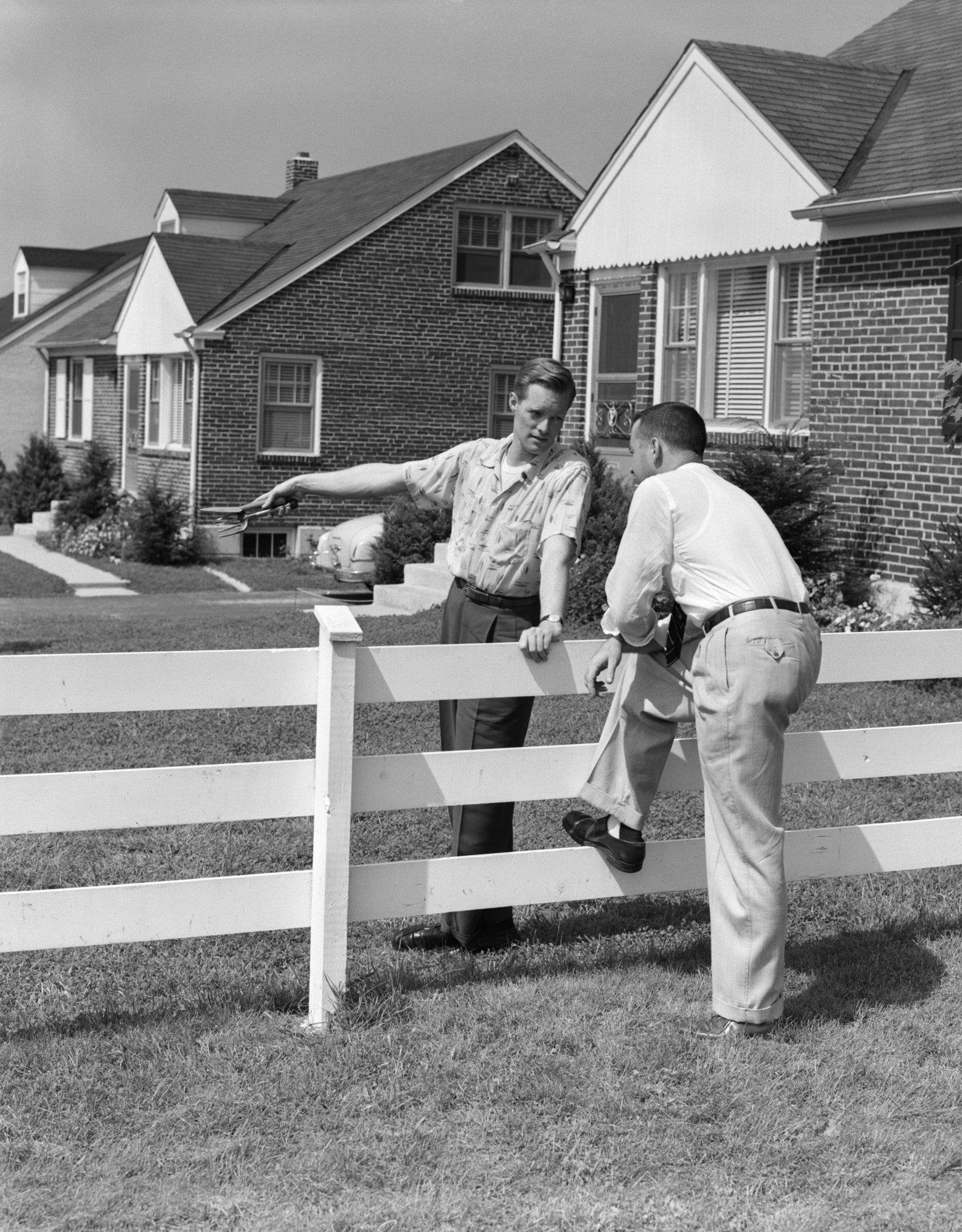
There was a time when a knock at the door was normal, not a jump scare. Neighbors often dropped by with a pie, a question, or just a “thought I would say hi.” It was casual. It was imperfect. It was often the glue that held a street together.
These drop in visits built a sense of local community. You did not have to plan a dinner party or book a restaurant. You simply crossed the yard. That low pressure contact made it easier to ask for help later, or to offer it when someone was having a hard time.
Today, our connections are often broader but thinner. You might know a lot of faces online and very few on your block. Before any visit, there is a text. Then a calendar check. Then a reschedule. Spontaneity gets squeezed out by coordination.
To bring back a bit of that 60s neighbor energy, you do not have to knock unannounced. You can still be respectful of people’s space. But you can say, “I am making extra soup, can I swing by for ten minutes.” Or you can invite someone to share your porch or hallway steps for a short chat.
Over time, these tiny in person moments can feel more nourishing than many online “likes.” Your brain reads live smiles, tone and body language. It registers safety and belonging, which are basic emotional needs, not extras.
And who knows. One day you may hear a knock on your door and feel grateful instead of startled.
9. TV As A Rare Evening Treat
In the 60s, TV was not on all day. There were fewer channels. Shows aired at specific times. Families often gathered to watch one program together, then turned the set off. It felt like a treat, not background noise.
This scarcity gave the experience a special weight. You had to wait all week for the next episode. You talked about it at school or work the next day. The TV did not compete with a hundred other screens for your attention.
Now, streaming is endless. You can watch any show, at any time, often on multiple devices at once. It is easy to slip into hours of passive watching, without even choosing it on purpose. Your evening disappears into a blur of episodes.
To recapture some 60s balance, you might treat TV like dessert instead of the main course. Pick a time to start and a time to stop. Choose one show, watch it with someone if you can, then actually turn the screen off.
This small shift can give your night more shape. You enjoy what you watch more, because it has clear edges. You also free up space for other quiet joys, like reading, talking, or simply getting more sleep.
10. Waiting, Anticipation And The Thrill Of “Later”
Perhaps the biggest quiet joy from the 60s was not an object at all. It was the feeling of waiting. For a letter. For your favorite show. For a phone call. For a friend to walk down the street. Life had more built in delayed gratification.
Waiting can be uncomfortable, but it also sharpens joy. When you finally get what you were hoping for, your brain releases a bigger wave of reward. The prize is not only the thing itself, but all the time you spent imagining it.
Today, you can order almost anything with one click. You can stream any song in seconds. You can answer most questions instantly. Convenience is wonderful and it saves real energy, but it also flattens your emotional landscape.
You can bring back a bit of that 60s thrill by choosing to wait on purpose. Save a show to watch only on Fridays. Order a book instead of reading everything online. Plan a small ritual, like a monthly coffee with a friend and protect it so it always feels special.
In a fast world, choosing to wait is a gentle act of rebellion. It tells your brain that not everything has to happen now. Some things are worth looking forward to and that sense of “later” can light up your week in quiet, steady ways.
Most of all, these old joys remind you that a good life is rarely made of big moments alone. It lives in evening light, familiar sidewalks, shared stories and simple pleasures you choose to notice before they disappear.